the HMDD Shorts vs the Sweatpants: Which Fits Your Everyday Life More Effectively
The choice between HMDD shorts and HMDD sweatpants isn’t only tied to seasonal conditions. Instead, it reflects the way you spend your hours, what your wardrobe still lacks, and which fit echoes the mood behind the HMDD brand — Happy Memories Don’t Die — a name so many shoppers are chasing in 2026. Each category is built on shared foundations: easygoing cuts, street-style-driven cuts, along with the kind of quiet branding that lets the garment speak rather than a loud emblem. But these two items tackle separate challenges. This article breaks down the practical differences so you can decide which one earns a permanent spot in your rotation, or if both are worth owning.
Among people hunting for an HMDD review before buying, HMDD has established standing, chiefly as the label doesn’t exaggerate its pitch. It markets itself as daily-wear pieces with an emotional edge — the name itself, happy memories dont die, points to a brand shaped by nostalgia and comfort as opposed to the fast-fashion cycle. Two of the most searched products are shorts and sweatpants, and each answers a different lifestyle rhythm: one made for coziness and calm, the other for motion and breathability.
Exactly What HMDD Shorts Are Engineered For
All-round function is the starting hmdd drops point in how HMDD shorts are designed. Whether it’s a grocery run, a workout, or unwinding with the AC on, they deliver equally well since they sit in that blended territory of athletic-casual wear. Sitting at or just above the knee, the cut stays modern while steering clear of either extreme of the short-length spectrum. That balanced cut has become a hallmark of HMDD clothing overall — pieces that don’t chase micro-trends but instead settle into a proportion that ages well across seasons.
In this case, fabric weight matters. Shorts function as essentially a warm-climate or seasonal-transition piece, and at the same time HMDD’s approach favors ventilated cotton-blend fabrications that hold shape through repeated washing. For anyone leading an active lifestyle — walking the dog on a twice-a-day schedule, squeezing in a 6 a.m. workout, or being outdoors in the afternoons — shorts cut down on friction, in both a literal and figurative sense. They also pair well under extended outerwear pieces when temperatures drop, extending their usable calendar past the summer months alone.
The shorts from HMDD blend seamlessly with the brand’s hoodie-and-tee lineup, which means a coordinated outfit forms without much effort.
For shoppers researching best HMDD clothing picks for a first purchase, shorts are often recommended as an entry point because the sizing tends to be more forgiving than fitted bottoms, and the price point typically sits lower than sweatpants due to less fabric used in construction.
HMDD Sweatpants’s Purpose, Explained
Unlike shorts, sweatpants serve an entirely separate function. The pair is engineered to deliver heat retention, comfort that lasts the whole day, and a slouchier silhouette that comes across as more “everyday wear” than “activewear.” The HMDD sweatpants line usually offers a straight leg with an elastic waist, and the material thickness runs more substantial — commonly a midweight cotton blend that locks in warmth well during winter stretches.
As a result, anyone with a more sedentary routine will find sweatpants the smarter pick: those clocking in remotely, students in lecture halls, or anyone needing dependable wear for cold starts and late nights. What you sacrifice is airflow. Unlike shorts, sweatpants weren’t made for intense movement, so if your day includes handling errands in warm 75-degree conditions, they’ll hinder more than help.
Sweatpants pull ahead of shorts when it comes to value per wear. Because they’re worn across more months of the year in most climates — think October through March in temperate regions — sweatpants frequently come out ahead on cost-per-wear despite a steeper initial price. Sweatpants from HMDD likewise carry more of the label’s signature flair, like embroidered text referencing happy memories don’t die, since more fabric real estate leaves designers with greater creative room.
Comparing the Two, Side by Side
| Point of Comparison | HMDD Shorts | HMDD Sweatpants |
|---|---|---|
| Best season | From spring into early autumn | Autumn into winter |
| Fabric weight | A light cotton-blend fabric | A fleece blend ranging from midweight to heavy |
| Where it fits best | Active days, warm-weather errands, gym | Lounging, remote work, cold-weather commutes |
| Layering potential | Strong — layers well beneath longer outer pieces | Fair — adds bulk under snug layers |
| Logo presence | Smaller logo placements | More surface area for embroidery/print |
| Cost-per-wear (typical climate) | Lower frequency, seasonal use | Worn more often through the colder stretch |
Finding the Right Fit for How You Live
When your days are filled mostly with activity — commuting on foot, exercising, or being outside often — shorts make the smarter buy. They cut down on trapped heat while giving you greater freedom of movement, which proves more important than expected once they’ve worn a restrictive pair of bottoms through a workout. Conversely, if your lifestyle skews toward stationary comfort, whether that’s logging hours at a home desk or spending weekends catching up on errands indoors, sweatpants offer steadier payoff.
Climate is the other deciding factor, and it’s often underestimated. Someone living somewhere with mild winters might get away with wearing HMDD shorts nine months out of twelve, while someone in a colder region might reach for sweatpants five days a week from November onward. This is why many repeat customers researching HMDDLA and the wider HMDD clothing catalog end up owning both — not as a redundant purchase, but as a seasonal rotation strategy that keeps their wardrobe functional year-round.
Physique and personal comfort preferences as well come into play that’s easy to overlook. Shorts typically reveal more of the leg’s shape and length, a trait some shoppers favor while others avoid. Because sweat-style bottoms hang more relaxed, they tend to suit a wider range of body shapes — one reason they’ve stayed a wardrobe staple even as trends change drastically year to year.
Durability and Upkeep Guidelines
Both items in question do well with a standard low-heat, cold-wash routine, but their durability differs.
Shorts constructed from lighter-weight cotton blends can display signs of wear at the hem and pocket seams more quickly if worn multiple times a week during the height of summer, simply because of increased friction caused by motion and more frequent washing.
With their heavier fleece construction, sweatpants, tend to hold their shape longer but are more likely to pill on the thigh-inner section if tumble-dried over and over on high heat.
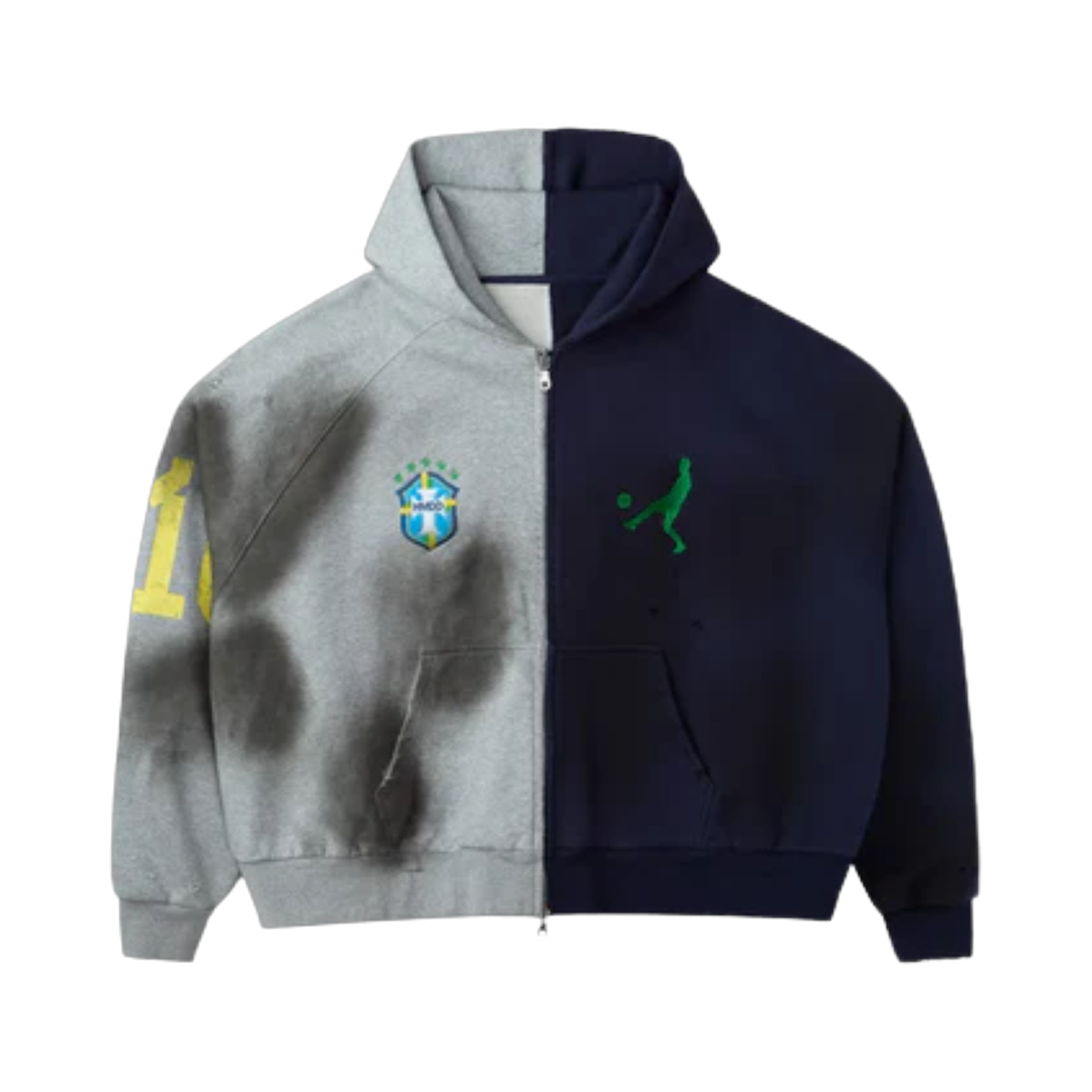
For anyone serious about extending the life of either piece, air-drying is the more reliable method, even though it takes longer. This is a small detail that rarely comes up in a typical HMDD review, but it makes a measurable difference over a 12-month ownership period. Rotating between two or three pairs of whichever product you buy more of also reduces the wash frequency per item, which slows fabric breakdown considerably.
The Bottom Line: Which One Comes First
There’s no universal answer, but a workable approach exists to make the call. If you’re assembling a capsule wardrobe from scratch and can only afford just a single category at the moment, ground your choice in the current season and your day-to-day activity level rather than looks alone driving the pick. Someone shopping in March or April will find more immediate value in shorts, meanwhile a shopper in October would do better choosing sweatpants.
If you’ve already explored HMDD clothing and want to broaden your collection, owning one of each turns your wardrobe into a complete year-round system rather than something with a seasonal gap. The brand’s consistent sizing and fabric quality across both categories means the decision comes down to function, not risk. Whichever you pick first, both products carry forward the shared founding philosophy of the brand — ease, longevity, and clothing built to be lived in, not just seen.
